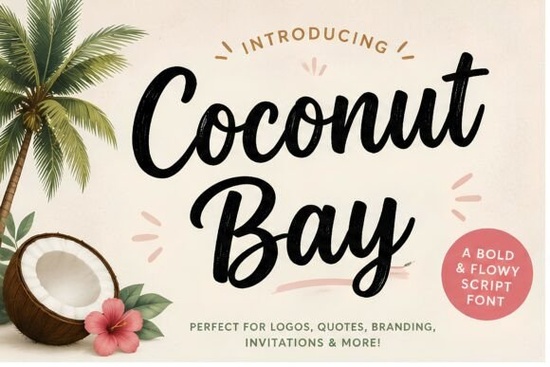
If you're looking for a font that instantly brings summer vibes to your designs, Coconut Bay Font is worth a closer look. With its bold, cheerful brush script style and relaxed island personality, it’s especially well-suited for beach-themed branding, vacation invites, apparel, or any project that needs a touch of tropical warmth. Whether you’re a print-on-demand seller creating summer tees or a small business owner designing coastal café signage, this font adds friendly energy without feeling overdone.
What makes Coconut Bay stand out from other script fonts?
Unlike overly delicate scripts or rigid display fonts, Coconut Bay strikes a balance between legibility and character. Its smooth brush strokes mimic natural handwriting, while the generous spacing and open letterforms keep it readable even at smaller sizes. The curves feel organic, not forced, which helps it avoid the “clip art” look some themed fonts fall into.
If you enjoy Coconut Bay’s breezy aesthetic, you might also like exploring other handcrafted script options like Hello Honey, which offers a softer, more whimsical tone, or Better Together, known for its romantic, connected-letter style. For something with a retro twist, Groovy blends 70s flair with modern usability.
Where can you use Coconut Bay effectively?
This font shines in projects that benefit from a laid-back, inviting mood. Think:
- Beach wedding invitations – Pair it with clean sans-serifs for contrast.
- Summer product packaging – Especially for coconut water, sunscreen, or tropical snacks.
- Social media graphics – Use it for quotes, event announcements, or seasonal promotions.
- T-shirts and tote bags – Its bold weight holds up well on fabric prints.
- Local business signage – Surf shops, ice cream stands, or coastal cafes.
Because it’s a single-style font (not part of a large family), pairing it thoughtfully matters. Try combining it with minimalist typefaces like Montserrat or Lato to let Coconut Bay take center stage without visual clutter.
How does it compare to similar tropical-themed fonts?
While many “summer” fonts lean heavily into palm trees or surf slang through decorative elements, Coconut Bay keeps things versatile by focusing on tone rather than literal imagery. That means you can use it beyond just beach contexts say, for a wellness brand promoting relaxation or a travel blog highlighting island getaways.
For those who love playful scripts but want variety, consider checking out Cherry, which has a bouncy, youthful rhythm, or revisit Coconut Bay if you’re building a consistent brand voice around warmth and approachability.
If you’d like to see how it stacks up against thousands of other options on the platform, you can browse the full collection at Coconut Bay Font.
Is it beginner-friendly for crafters and small businesses?
Absolutely. The font installs like any standard OTF or TTF file and works across common design tools Canva (via upload), Adobe Creative Suite, Silhouette Studio, Cricut Design Space, and more. No special plugins or workarounds needed.
One practical tip: because it’s a script with connecting strokes, avoid using all caps or extremely tight tracking. Let the letters breathe to preserve its natural flow. Also, test printouts before finalizing merchandise some intricate terminals may need slight thickening for very small embroidery or vinyl cuts.
Before you download, ask yourself:
- Does my project call for a warm, human touch rather than corporate polish?
- Am I designing for a seasonal campaign, coastal brand, or lifestyle product?
- Do I already have a clean, neutral font to pair it with?
If yes to most of these, Coconut Bay could be a reliable go-to for adding personality without sacrificing professionalism.
Next step: Download the font and test it with your actual content not just “The quick brown fox…” but real headlines, product names, or taglines you’ll use. See how it feels in context. If it sparks that little “yes, this fits” moment, you’ve found your summer staple.
Explore Design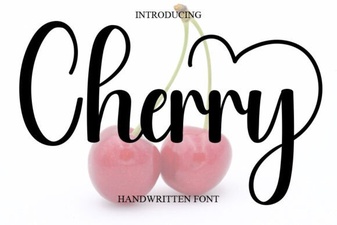 Cherry Font: Creative Typography for Modern Projects
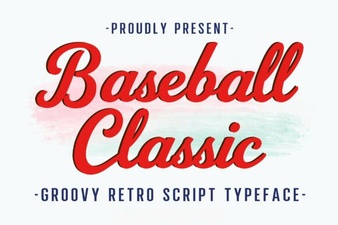 Craft Classic Baseball Font Designs for Your Projects
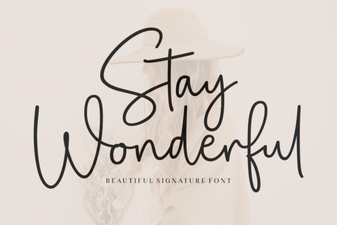 Stay Wonderful Font: Download & Creative Uses
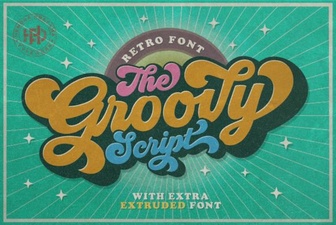 Groovy Fonts for Creative Projects and Design Ideas
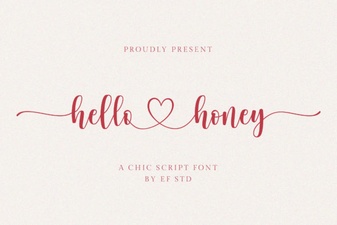 Hello Honey Font: Your Design Toolkit for Warm Projects
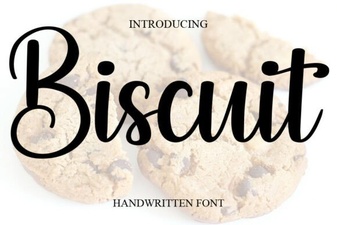 Biscuit Font Design Inspiration and Creative Uses